
Fiber internet almost never goes down, but when it does, most businesses find out from a customer standing at the register with a card that won't run. Instead of watching your primary connection drop and scrambling to reboot a modem or wait on hold, set up cellular failover for business internet so a backup LTE or 5G connection takes over automatically, keeping your point-of-sale system, phones, and WiFi online while the fiber line gets fixed.
- Cellular failover for business internet switches your network to LTE or 5G automatically when fiber drops, with no manual reboot needed.
- A dual-WAN router with a SIM slot is the only hardware requirement most businesses are missing in 2026.
- Set the failover ping test to run every 5-10 seconds so switchover happens in under a minute, not after a customer complains.
- Route only VoIP phone traffic over cellular if full-network failover is more than your business needs.
- Test the failover monthly by unplugging the fiber WAN port yourself, before an actual outage tests it for you.
Why this matters
A fiber outage that lasts 20 minutes is an inconvenience. One that lasts four hours during a Friday dinner rush or a Monday morning of patient check-ins is a different problem entirely. Restaurants running WiFi-based POS systems feel this the hardest because every terminal, kitchen ticket printer, and card reader depends on one connection staying up.
Cellular failover doesn't prevent outages. It just makes them invisible to your customers and your staff. The fiber line drops, the router notices within seconds, and traffic reroutes to a cellular modem automatically. When fiber comes back, traffic switches back on its own. Nobody has to notice, let alone act.
In 2026, the hardware to do this costs far less than the router itself did a decade ago, and most business-grade routers already ship with a second WAN port or a SIM slot built in. The gap isn't cost. It's that almost nobody configures it until after the first bad outage.
Before you start
- A dual-WAN or multi-WAN business router with a physical SIM slot or a USB modem port. Standard consumer routers from a big-box store almost never have this.
- An active cellular data plan, provisioned as a data-only SIM from a carrier with coverage at your address. This is separate from any phone plan you already have.
- Admin access to the router's configuration panel — the login is usually printed on a label on the device itself or in the original setup email.
The gotcha that catches people mid-setup: check your cellular plan's data allowance before you rely on it. A plan that throttles hard past 5GB or 10GB will crawl exactly when you need it most, during a multi-day fiber outage rather than a five-minute blip. Buy enough headroom that a bad week doesn't turn your backup into a second outage.
Set up your dual-WAN router
- Log into the router's admin panel using a browser on a device connected to the network.
- Go to Network or WAN Settings and confirm your fiber connection is assigned to WAN1 as the primary interface.
- Insert the cellular SIM into the SIM slot, or connect the USB cellular modem, and confirm it appears as WAN2 or Cellular WAN in the interface list.
- Set the connection type for WAN2 to Failover rather than Load Balance — load balancing splits traffic across both connections at once, which isn't what you want here.
Expected result: the router's WAN status page shows two active interfaces, with WAN1 (fiber) marked Primary and WAN2 (cellular) marked Standby.
Configure the cellular failover trigger
- Open WAN Failover or Multi-WAN settings.
- Under Ping Test Servers, enter two or three reliable external IP addresses (public DNS servers work well) so the router isn't relying on a single point of failure to detect an outage.
- Set the Ping Interval to 5-10 seconds and the Failure Threshold to 3 missed pings before the router calls it a real outage, not a momentary blip.
- Set Failback Delay to 2-3 minutes. This keeps the router from flip-flopping between fiber and cellular if the fiber connection is flapping on and off during the fix.
Expected result: when you disconnect the fiber WAN cable, the WAN status page shows WAN2 (cellular) switch to Active within roughly 30-60 seconds, and devices on the network keep their connection without needing to reconnect to WiFi.
Test the failover before you need it
- During a low-traffic window, physically unplug the fiber WAN cable from the router.
- Watch the WAN status page and time how long the switch to cellular takes.
- Run a basic speed test and a phone call or video call over the cellular connection to confirm it's usable, not just connected.
- Reconnect the fiber cable and confirm the router fails back to WAN1 after the delay you set.
Expected result: total time from disconnect to a working cellular connection should be under two minutes, with no reboot required on any device.
Route only your phone system over cellular
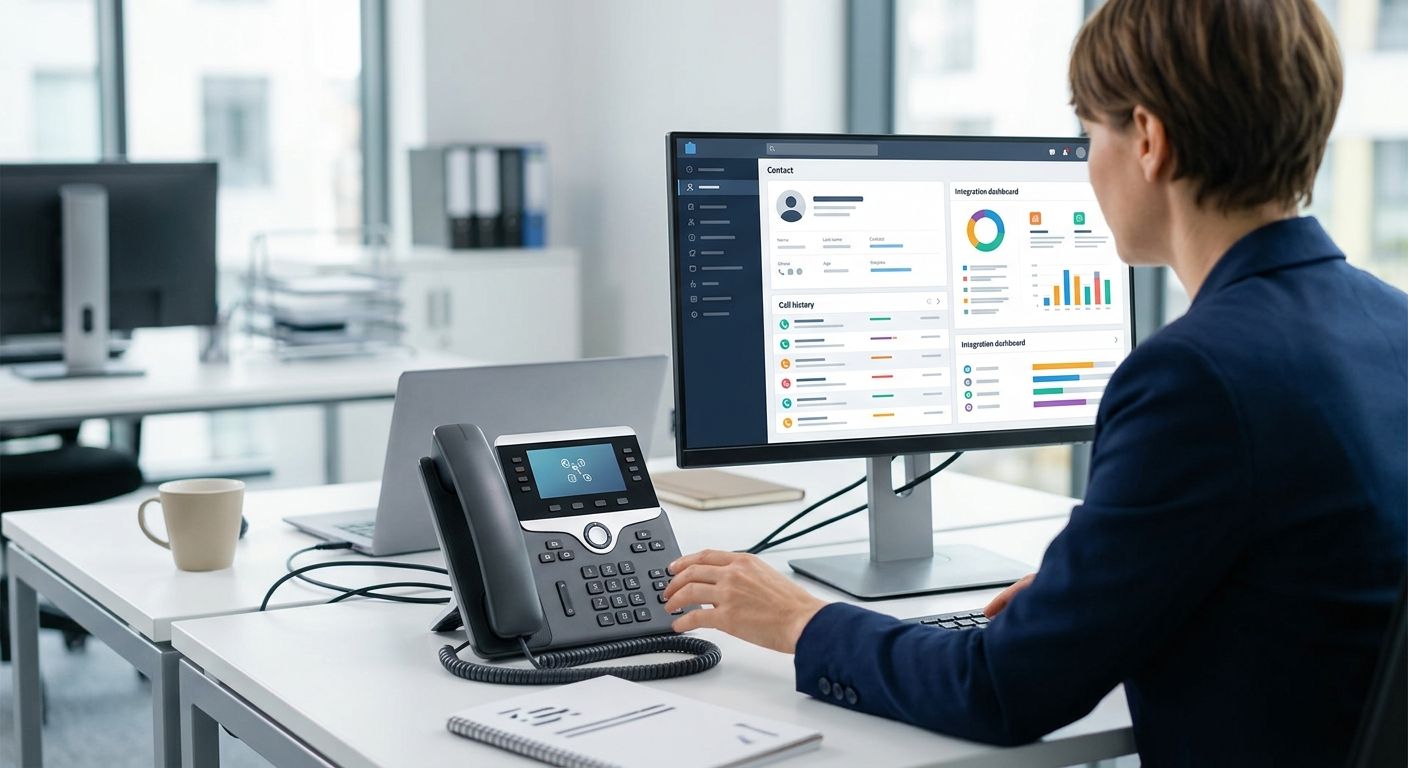
Full-network failover isn't always the right call. A busy office running a business phone system might only need calls protected, not every laptop and streaming device in the building.
- In the router's Policy Routing or Traffic Rules section, create a rule that matches traffic from your VoIP phone system's IP address or VLAN.
- Set that rule's outbound interface to WAN2 (Cellular) whenever WAN1 is down, leaving general traffic to fail over as usual or stay offline if you'd rather conserve cellular data for calls only.
- Save and test by disconnecting fiber, then placing a test call from a desk phone.
Expected result: phone calls connect and stay stable even while other devices on the network show no internet, confirming the policy rule is isolating VoIP traffic correctly.
Troubleshooting
- Failover triggers on brief fiber blips that recover in seconds. Raise the Failure Threshold from 3 to 5 missed pings so the router waits slightly longer before switching.
- Cellular connects but speeds are unusable. Check signal strength on the modem — an external antenna or a different mounting location near a window often fixes this without any config change.
- Router never fails back to fiber after it's restored. Confirm the Failback Delay setting saved correctly; some firmware resets this value after a firmware update.
- Devices lose their connection entirely during the switch instead of reconnecting automatically. This usually means WAN2 was set to Load Balance instead of Failover — go back and correct the WAN2 connection type.
- Data usage on the cellular plan spikes fast. Confirm the policy routing rule from the phone-only variant is scoped correctly; a misconfigured rule can accidentally route all traffic to cellular instead of just VoIP.
Get business internet built for uptime
See fiber plans and dual-WAN setup support for your business.
Customize your workflow
Once the basic failover is working, there's more to tune. Set up email or SMS alerts from the router so someone gets notified the moment a switchover happens, rather than finding out from a customer. If your business runs multiple locations, standardize the same dual-WAN configuration across every site so an outage at one location doesn't need a different fix than the last one.
Businesses with equipment that can't tolerate any gap — a dental office running imaging software, for example — sometimes add a small UPS battery to the router and modem so even the few seconds of switchover happen without a power blip compounding the problem.
FAQ
What is cellular failover for business internet?
Cellular failover is a router configuration that automatically switches your network to a backup LTE or 5G connection when your primary fiber or cable line drops. The switch happens within about a minute and reverses once the primary connection is restored.
Do I need a special router for cellular failover?
Yes, you need a dual-WAN or multi-WAN business router with a SIM slot or USB modem port. A standard single-WAN home router cannot run two internet connections at once.
How much data does cellular failover use?
It depends entirely on how long the outage lasts and whether you route all traffic or just phone traffic over cellular. Routing only VoIP calls uses a fraction of the data that full-network failover does.
How fast does failover switch to cellular?
With ping tests set to run every 5-10 seconds and a failure threshold of 3 missed pings, switchover typically completes in under a minute in 2026-era router firmware.
Can I use my personal cell phone as the backup connection?
You can tether a phone as a temporary fix, but a dedicated data-only SIM in a proper cellular modem is more reliable for anything beyond a short manual workaround.
Does cellular failover slow down my network during normal operation?
No. When configured as Failover rather than Load Balance, the cellular connection sits idle and only activates when the primary WAN goes down.
Is cellular failover worth it for a small office?
For any business where a dropped connection means lost sales or missed calls, yes. The setup cost is modest next to even one afternoon of downtime.
How do I test failover without waiting for a real outage?
Unplug the fiber WAN cable from the router during a slow period and time how long it takes devices to reconnect through cellular. Do this monthly, not just once at setup.
One last thing
Your cellular backup connection does not need to match your fiber speed to be useful. A backup that runs at a fraction of your normal speed still keeps a POS system, a phone system, or a handful of laptops working through an outage — the goal is staying online, not staying fast. Most businesses over-buy cellular data capacity assuming they need parity with fiber, when in 2026 a modest data-only plan covers the occasional short outage most locations actually see.